

| Plant Type | Flowering Perennials |
| Sun Exposure | Full Sun (6+ Hrs), Part Sun / Shade (3-6 Hrs) |
| Height | Medium (3-5') |
| Moisture | Medium, Wet |
| Bloom Months | June, July, August |
| Moisture Needs | Flood Tolerant |
| Season of Interest | Summer (Jun-Aug) |
| Ecological Significance | Native Bee Friendly, Butterfly Friendly, Hummingbird Friendly |
Description
Swamp Milkweed is a tall, elegant native perennial known for its clusters of fragrant pink to rose-purple flowers that bloom from mid to late summer. The blooms rise above narrow, lance-shaped leaves on sturdy, upright stems, bringing a soft, graceful texture to wetland edges and rain gardens. True to its name, this milkweed naturally grows in moist habitats and offers a long-lasting floral display that attracts butterflies, bees, and hummingbirds. Unlike Common Milkweed, it has a refined, clump-forming habit that makes it especially well-suited to garden settings.
Ecological Value
Asclepias incarnata is a host plant for Monarch butterfly caterpillars and provides abundant nectar for a wide variety of pollinators, including bees, skippers, and hummingbirds. It plays a crucial role in the life cycle of Monarchs, offering one of the best milkweed options for wet to medium-moist garden conditions. Its late-summer blooms provide nourishment for migrating butterflies and support biodiversity in wetland and riparian habitats.
Ideal Growing Conditions
Swamp Milkweed thrives in full sun and moist to wet soils, though it can adapt to average garden soil with regular watering. It naturally occurs along streams, ponds, and marsh edges where the soil remains consistently damp but not stagnant. Once established, it develops a deep root system that allows it to tolerate short dry spells. It prefers rich, loamy soil but grows well in clay if drainage is adequate. Because it emerges late in spring, mark its location to avoid disturbing young shoots. Deadheading can encourage a longer bloom period and prevent excessive self-seeding if desired.
Landscape Uses
Perfect for rain gardens, wet meadows, and sunny borders, Swamp Milkweed adds both color and ecological value to the summer garden. It pairs beautifully with Joe Pye Weed, Cardinal Flower, Blue Flag Iris, and native grasses that enjoy similar moisture. Its tall, upright habit makes it an excellent backdrop plant, while its sweetly fragrant flowers provide sensory appeal and wildlife support. Whether grown in a formal garden or a naturalized planting, Swamp Milkweed is one of the most rewarding and essential choices for supporting Monarch butterflies and other pollinators.


Rose Milkweed Native Range
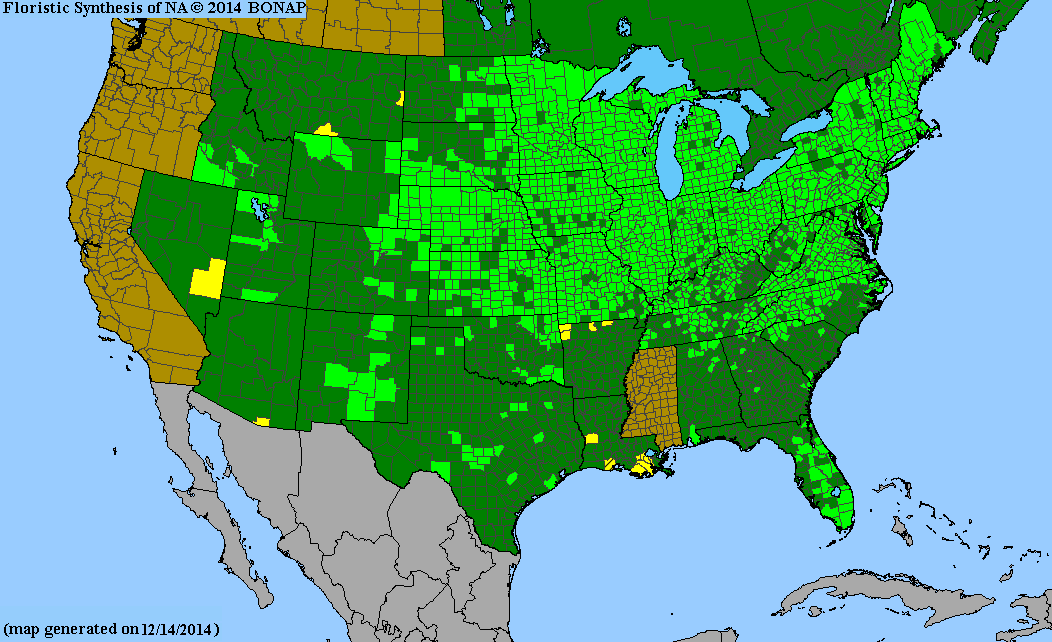
Map Color Key
| Species present in state and native | Species present and not rare | ||
| Species not present in state | Species present and rare |
Kartesz, J.T., The Biota of North America Program (BONAP). 2015. North American Plant Atlas. (http://bonap.net/napa). Chapel Hill, N.C. [maps generated from Kartesz, J.T. 2015. Floristic Synthesis of North America, Version 1.0. Biota of North America Program (BONAP). (in press)].