Flowering Perennials

Showy Black-eyed Susan (Rudbeckia fulgida)

Sweet Black-eyed Susan

Description Sweet Black-eyed Susan is a tall, late-blooming native perennial that brings a bold sweep of golden-yellow flowers to the garden when many summer blooms are beginning to fade. Its daisy-like flowers with dark centers are borne in generous clusters atop sturdy, branching stems, creating a bright, classic prairie look from late summer into early

Sweet Black-eyed Susan Read More »

Rudbeckia subtomentosa
Showy Black-eyed Susan (Rudbeckia fulgida)
Plant TypeFlowering Perennials
Sun ExposureFull Sun (6+ Hrs), Part Sun / Shade (3-6 Hrs)
HeightTall (>5')
Bloom MonthsAugust, September
Moisture NeedsNormal
Season of InterestSummer (Jun-Aug), Fall (Sep-Nov)
Ecological SignificanceNative Bee Friendly, Butterfly Friendly, Bird Friendly

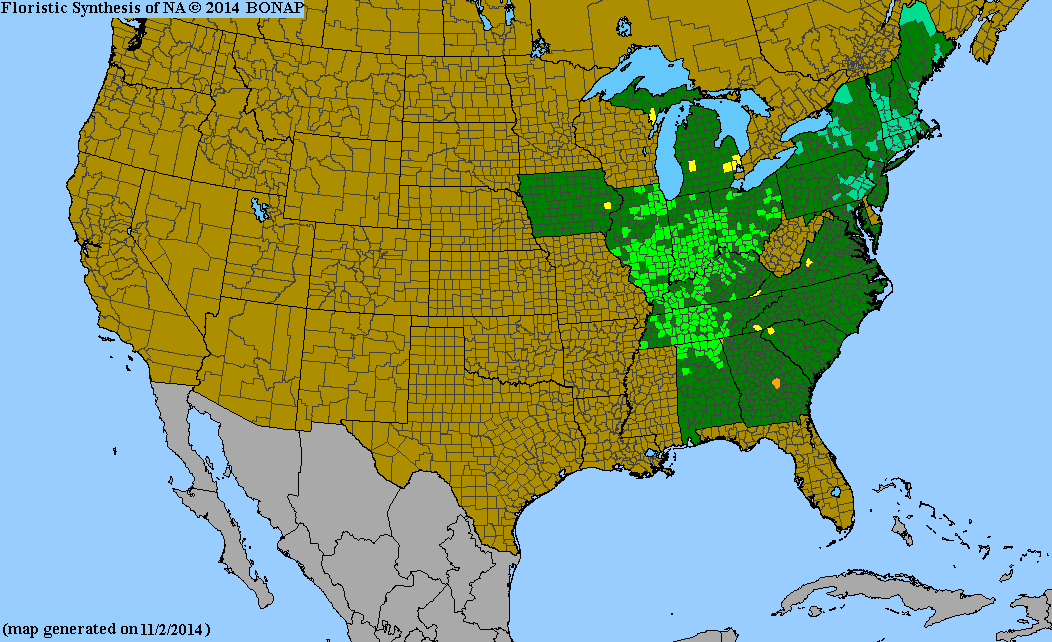
Sweet Black-eyed Susan Native Range

Map Color Key

Species present in state and nativeSpecies present and not rare
Species not present in stateSpecies present and rare

Kartesz, J.T., The Biota of North America Program (BONAP). 2015. North American Plant Atlas. (http://bonap.net/napa). Chapel Hill, N.C. [maps generated from Kartesz, J.T. 2015. Floristic Synthesis of North America, Version 1.0. Biota of North America Program (BONAP). (in press)].

Smooth Phlox

Description Smooth Phlox is a showy native perennial that produces dense clusters of fragrant pink to lavender flowers in early summer, rising above glossy green foliage. The blooms create a soft but vibrant display that bridges the transition from spring-flowering plants into the height of the summer garden. Its upright habit and polished foliage give

Smooth Phlox Read More »

Phlox glaberrima subsp. interior
Plant TypeFlowering Perennials
Sun ExposureFull Sun (6+ Hrs), Part Sun / Shade (3-6 Hrs)
HeightMedium (3-5')
Moisture NeedsNormal
Season of InterestSpring (Mar-May), Summer (Jun-Aug)
Ecological SignificanceNative Bee Friendly, Butterfly Friendly, Hummingbird Friendly

Pale Beardtongue

Description Pale Beardtongue is a graceful, drought-tolerant native perennial with slender, upright stems topped by pale lavender to nearly white tubular flowers that bloom in late spring. The flowers rise above narrow green foliage, creating a light, airy presence that blends beautifully into prairie and savanna plantings. Its refined form adds vertical interest without overpowering

Pale Beardtongue Read More »

Penstemon pallidus
Plant TypeFlowering Perennials
Sun ExposureFull Sun (6+ Hrs), Part Sun / Shade (3-6 Hrs)
Bloom MonthsMay, June
Moisture NeedsDrought Tolerant
Season of InterestSpring (Mar-May), Summer (Jun-Aug)
Ecological SignificanceNative Bee Friendly, Butterfly Friendly, Bird Friendly

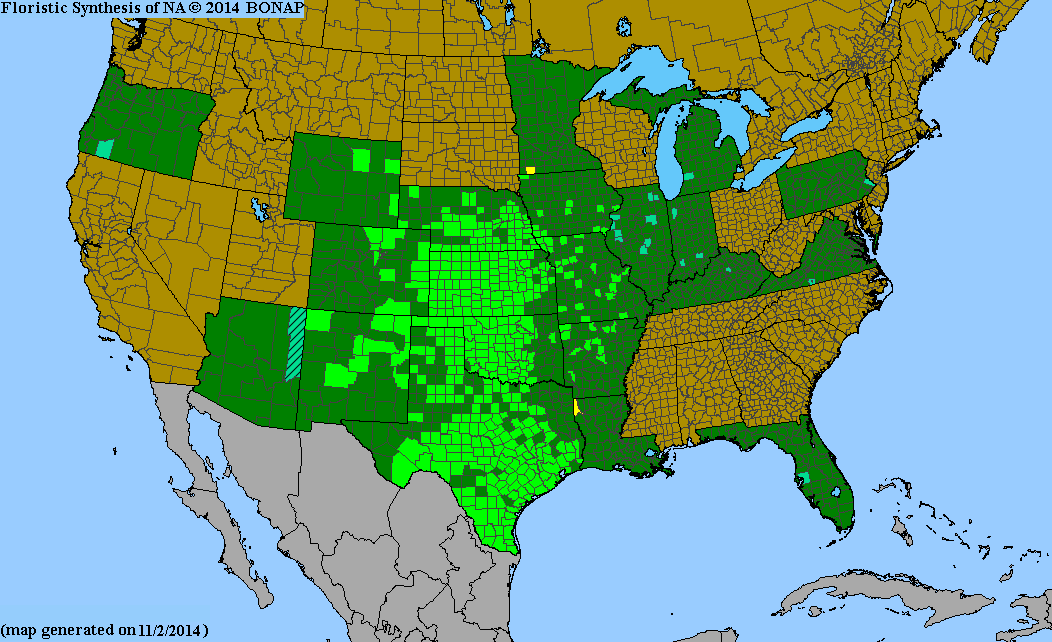
Pale Beardtongue Native Range

Map Color Key

Species present in state and nativeSpecies present and not rare
Species not present in stateSpecies present and rare

Kartesz, J.T., The Biota of North America Program (BONAP). 2015. North American Plant Atlas. (http://bonap.net/napa). Chapel Hill, N.C. [maps generated from Kartesz, J.T. 2015. Floristic Synthesis of North America, Version 1.0. Biota of North America Program (BONAP). (in press)].

Calico Beardtongue

Description Calico Beardtongue is a refined native perennial that produces upright stems lined with pale lavender, tubular flowers in late spring. The softly colored blooms rise above neat green foliage, creating a graceful vertical accent in woodland-edge and lightly shaded plantings. Its form is structured yet light, allowing it to blend seamlessly with other shade-tolerant

Calico Beardtongue Read More »

Penstemon calycosus
Plant TypeFlowering Perennials
Sun ExposurePart Sun / Shade (3-6 Hrs), Shade (0-3 Hrs)
HeightMedium (3-5')
Bloom MonthsMay, June
Moisture NeedsNormal
Season of InterestSpring (Mar-May)
Ecological SignificanceNative Bee Friendly, Hummingbird Friendly

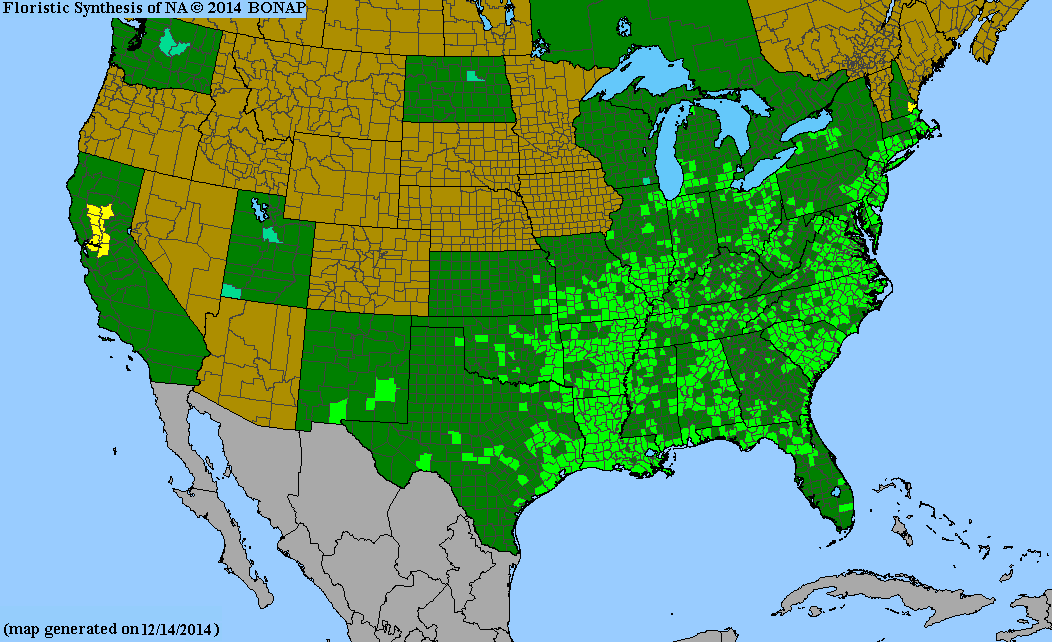
Calico Beardtongue Native Range

Map Color Key

Species present in state and nativeSpecies present and not rare
Species not present in stateSpecies present and rare

Kartesz, J.T., The Biota of North America Program (BONAP). 2015. North American Plant Atlas. (http://bonap.net/napa). Chapel Hill, N.C. [maps generated from Kartesz, J.T. 2015. Floristic Synthesis of North America, Version 1.0. Biota of North America Program (BONAP). (in press)].

Western Sunflower

Description Western Sunflower is a bright, late-blooming native perennial that brings classic prairie color to the garden from mid to late summer. Its clear yellow, daisy-like flowers are borne along sturdy, upright stems, creating a cheerful and unmistakably native look. The plant often forms colonies over time, which enhances its natural, meadow-like character and makes

Western Sunflower Read More »

Helianthus occidentalis
© Almossaid - stock.adobe.com
Plant TypeFlowering Perennials
Sun ExposureFull Sun (6+ Hrs)
HeightMedium (3-5')
Bloom MonthsJuly, August, September
Moisture NeedsDrought Tolerant, Normal
Season of InterestSummer (Jun-Aug), Fall (Sep-Nov)
Ecological SignificanceNative Bee Friendly, Butterfly Friendly, Bird Friendly

Western Sunflower Native Range

Map Color Key

Species present in state and nativeSpecies present and not rare
Species not present in stateSpecies present and rare

Kartesz, J.T., The Biota of North America Program (BONAP). 2015. North American Plant Atlas. (http://bonap.net/napa). Chapel Hill, N.C. [maps generated from Kartesz, J.T. 2015. Floristic Synthesis of North America, Version 1.0. Biota of North America Program (BONAP). (in press)].

Virgin’s Bower

Description Virgin’s Bower is a vigorous, fast-growing native vine that brings a dramatic wave of bloom to woodland edges and naturalized landscapes in late summer. At a time when many flowering plants are winding down, it produces clouds of small, fragrant white flowers that can blanket the vine from top to bottom, creating a soft,

Virgin’s Bower Read More »

Clematis virginiana
© mrslevite - stock.adobe.com
Plant TypeFlowering Perennials, Vines
Sun ExposureFull Sun (6+ Hrs), Part Sun / Shade (3-6 Hrs)
HeightTall (>5')
Bloom MonthsAugust, September
Moisture NeedsNormal
Season of InterestSummer (Jun-Aug), Fall (Sep-Nov)
Ecological SignificanceNative Bee Friendly, Bird Friendly

Virgin’s Bower Native Range

Map Color Key

Species present in state and nativeSpecies present and not rare
Species not present in stateSpecies present and rare

Kartesz, J.T., The Biota of North America Program (BONAP). 2015. North American Plant Atlas. (http://bonap.net/napa). Chapel Hill, N.C. [maps generated from Kartesz, J.T. 2015. Floristic Synthesis of North America, Version 1.0. Biota of North America Program (BONAP). (in press)].

Purple Poppy Mallow

Description Purple Poppy Mallow is a low-growing native perennial that forms a spreading mat of softly lobed green foliage, creating a lush ground-hugging presence in sunny landscapes. From early through late summer, it produces vivid magenta, cup-shaped flowers that open each morning and close by afternoon, creating a constantly shifting display of color and movement.

Purple Poppy Mallow Read More »

Callirhoe involucrata
© Donna Bollenbach - stock.adobe.com
Plant TypeFlowering Perennials
Sun ExposureFull Sun (6+ Hrs)
HeightGround (<1')
Bloom MonthsJune, July, August
Moisture NeedsDrought Tolerant
Season of InterestSummer (Jun-Aug)
Ecological SignificanceNative Bee Friendly, Butterfly Friendly

Purple Poppy Mallow Native Range

Map Color Key

Species present in state and nativeSpecies present and not rare
Species not present in stateSpecies present and rare

Kartesz, J.T., The Biota of North America Program (BONAP). 2015. North American Plant Atlas. (http://bonap.net/napa). Chapel Hill, N.C. [maps generated from Kartesz, J.T. 2015. Floristic Synthesis of North America, Version 1.0. Biota of North America Program (BONAP). (in press)].

Wild Stonecrop

Description Wild Stonecrop is a low-growing native succulent with fleshy, bright green leaves that form a dense, spreading mat along the ground. In spring, clusters of small white, star-shaped flowers rise just above the foliage, creating a fresh, luminous display at a time when many shade gardens are still waking up. Its tidy, ground-hugging habit

Wild Stonecrop Read More »

Sedum ternatum
© Gerry - stock.adobe.com
Plant TypeFlowering Perennials
Sun ExposurePart Sun / Shade (3-6 Hrs), Shade (0-3 Hrs)
HeightGround (<1')
Bloom MonthsApril, May
Moisture NeedsNormal
Season of InterestSpring (Mar-May)
Ecological SignificanceNative Bee Friendly

Wild Stonecrop Native Range

Map Color Key

Species present in state and nativeSpecies present and not rare
Species not present in stateSpecies present and rare

Kartesz, J.T., The Biota of North America Program (BONAP). 2015. North American Plant Atlas. (http://bonap.net/napa). Chapel Hill, N.C. [maps generated from Kartesz, J.T. 2015. Floristic Synthesis of North America, Version 1.0. Biota of North America Program (BONAP). (in press)].

Hibiscus moscheutos

Swamp Rose Mallow

Description Swamp Rose Mallow is a bold, show-stopping native perennial known for its enormous, tropical-looking flowers that bloom in late summer. The dinner-plate–sized blooms appear in shades of pink, red, or white and stand out dramatically against the plant’s large, deep green foliage. Each flower lasts only a day, but the plant produces a steady

Swamp Rose Mallow Read More »

Hibiscus moscheutos
Hibiscus moscheutos
Plant TypeFlowering Perennials
Sun ExposureFull Sun (6+ Hrs)
HeightTall (>5')
Bloom MonthsJuly, August
Moisture NeedsFlood Tolerant
Season of InterestSummer (Jun-Aug)
Ecological SignificanceNative Bee Friendly, Hummingbird Friendly

Swamp Rose Mallow Native Range

Map Color Key

Species present in state and nativeSpecies present and not rare
Species not present in stateSpecies present and rare

Kartesz, J.T., The Biota of North America Program (BONAP). 2015. North American Plant Atlas. (http://bonap.net/napa). Chapel Hill, N.C. [maps generated from Kartesz, J.T. 2015. Floristic Synthesis of North America, Version 1.0. Biota of North America Program (BONAP). (in press)].

Tall Green Milkweed

Description Tall Green Milkweed is an upright native perennial with slender, unbranched stems and narrow leaves that give it a clean, vertical profile in prairie and meadow plantings. In early to mid-summer, it produces clusters of subtle greenish-white flowers that are less showy than other milkweeds but elegant in their own right. The restrained color

Tall Green Milkweed Read More »

Asclepias hirtella
Plant TypeFlowering Perennials
Sun ExposureFull Sun (6+ Hrs)
HeightMedium (3-5')
Bloom MonthsJune, July
Moisture NeedsNormal
Season of InterestSummer (Jun-Aug)
Ecological SignificanceNative Bee Friendly, Butterfly Friendly
Scroll to Top