Flowering Perennials

Rough Blazing Star (liatris aspera)

Rough Blazing Star

  • Loved by many pollinators
  • Full to part sun
  • Medium to dry soil
  • 2′ to 3′ tall
  • Blooms August, September

Rough Blazing Star Read More »

Liatris aspera
Rough Blazing Star (liatris aspera)
Plant TypeFlowering Perennials
Sun ExposureFull Sun (6+ Hrs)
HeightShort (1-3')
MoistureDry, Medium
Bloom MonthsAugust, September
Moisture NeedsDrought Tolerant
Season of InterestSummer (Jun-Aug), Fall (Sep-Nov), Winter (Dec - Feb)
Ecological SignificanceNative Bee Friendly, Butterfly Friendly, Bird Friendly, Hummingbird Friendly

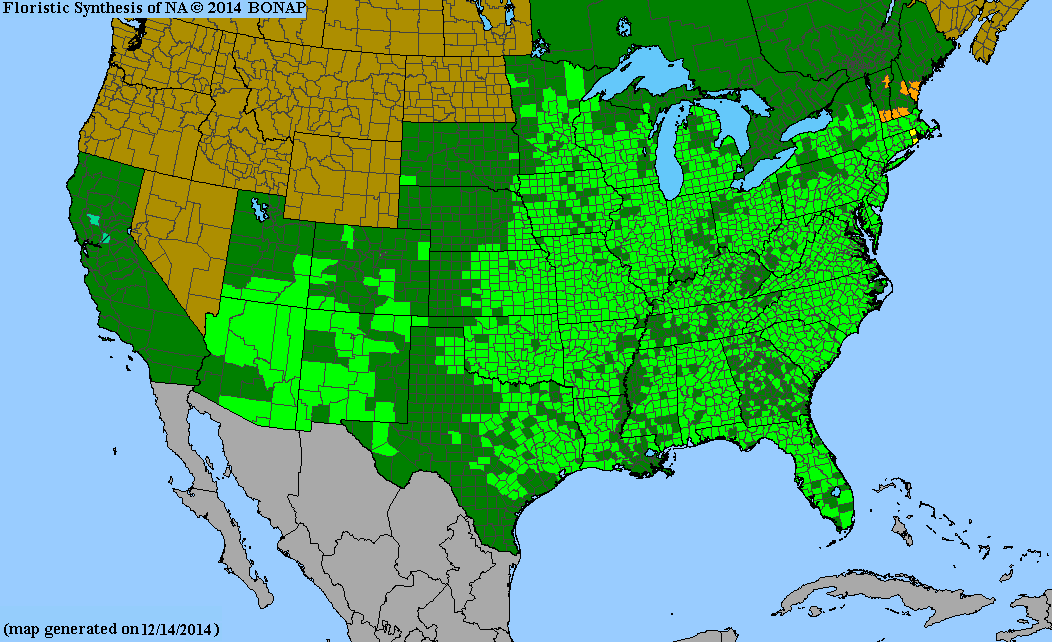
Rough Blazing Star Native Range

Map Color Key

Species present in state and nativeSpecies present and not rare
Species not present in stateSpecies present and rare

Kartesz, J.T., The Biota of North America Program (BONAP). 2015. North American Plant Atlas. (http://bonap.net/napa). Chapel Hill, N.C. [maps generated from Kartesz, J.T. 2015. Floristic Synthesis of North America, Version 1.0. Biota of North America Program (BONAP). (in press)].

Obedient Plant (physostegia virginiana)

Obedient Plant

  • Loved by pollinators and hummingbirds
  • Full to part sun
  • Medium to moist soil
  • 2′ to 4′ tall
  • Blooms August, September
  • Spreads via rhizomes
  • Can be aggressive in wet conditions

Obedient Plant Read More »

Physostegia virginiana
Obedient Plant (physostegia virginiana)
Plant TypeFlowering Perennials
Sun ExposureFull Sun (6+ Hrs), Part Sun / Shade (3-6 Hrs)
HeightMedium (3-5')
MoistureMedium, Wet
Bloom MonthsAugust, September
Moisture NeedsNormal
Season of InterestSummer (Jun-Aug), Fall (Sep-Nov)
Ecological SignificanceNative Bee Friendly, Butterfly Friendly, Hummingbird Friendly

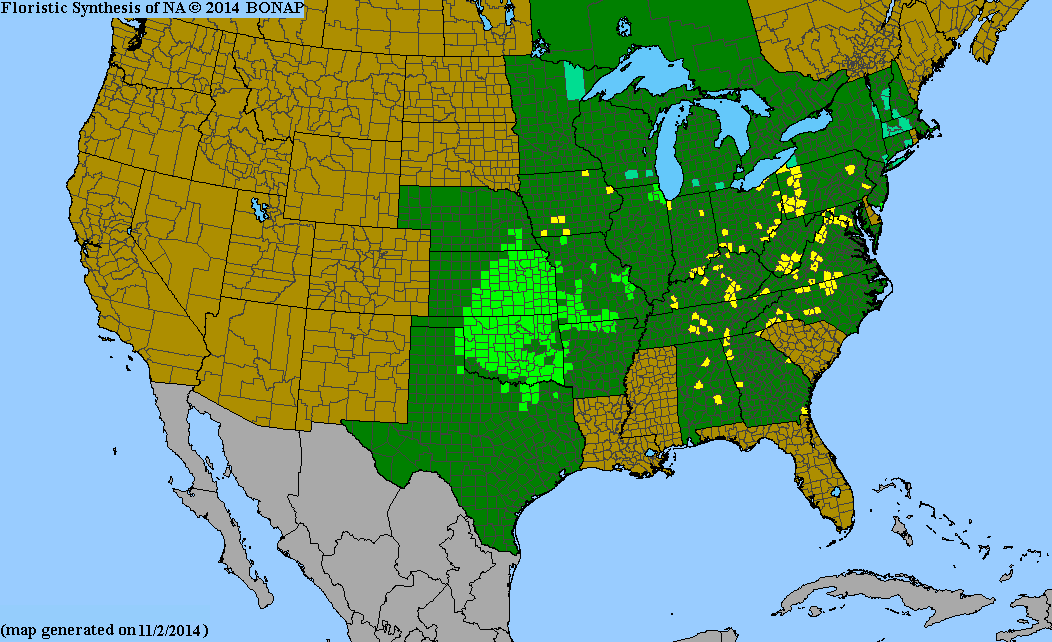
Obedient Plant Native Range

Map Color Key

Species present in state and nativeSpecies present and not rare
Species not present in stateSpecies present and rare

Kartesz, J.T., The Biota of North America Program (BONAP). 2015. North American Plant Atlas. (http://bonap.net/napa). Chapel Hill, N.C. [maps generated from Kartesz, J.T. 2015. Floristic Synthesis of North America, Version 1.0. Biota of North America Program (BONAP). (in press)].

Virginia Bluebells (mertensia virginica)

Virginia Blue Bells

  • Part shade to shade
  • Medium to moist soil
  • 1′ to 2′ tall
  • Blooms April, May
  • Ephemeral
  • Wonderful spring flower
  • Can form colonies
  • Very shade and woodland friendly

Virginia Blue Bells Read More »

Mertensia virginica
Virginia Bluebells (mertensia virginica)
Plant TypeFlowering Perennials
Sun ExposurePart Sun / Shade (3-6 Hrs), Shade (0-3 Hrs)
HeightShort (1-3')
MoistureMedium, Wet
Bloom MonthsApril, May
Moisture NeedsFlood Tolerant
Season of InterestSpring (Mar-May)
Ecological SignificanceNative Bee Friendly, Hummingbird Friendly

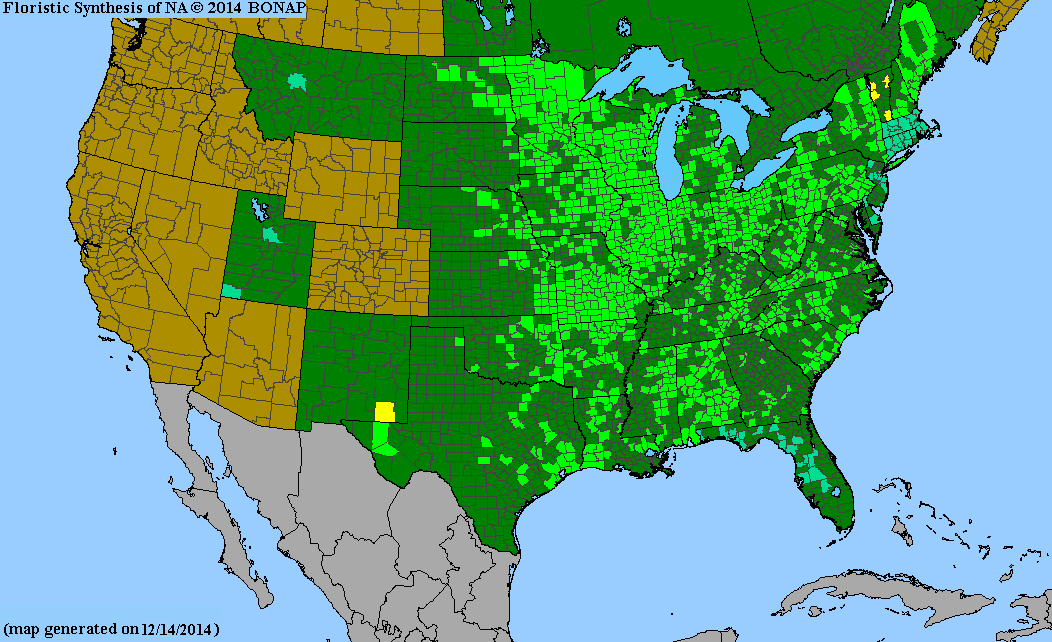
Virginia Blue Bells Native Range

Map Color Key

Species present in state and nativeSpecies present and not rare
Species not present in stateSpecies present and rare

Kartesz, J.T., The Biota of North America Program (BONAP). 2015. North American Plant Atlas. (http://bonap.net/napa). Chapel Hill, N.C. [maps generated from Kartesz, J.T. 2015. Floristic Synthesis of North America, Version 1.0. Biota of North America Program (BONAP). (in press)].

Joe Pye (eutrochium maculatum)

Joe Pye Weed

  • Keystone Plant
  • Full to part-sun
  • Medium to wet soil
  • 4′ to 6′ tall
  • Blooms July through September
  • Easy to grow
  • Attractive seed head
  • Shorter than Sweet Joe Pye

Joe Pye Weed Read More »

Eutrochium maculatum
Joe Pye (eutrochium maculatum)
Plant TypeFlowering Perennials
Sun ExposureFull Sun (6+ Hrs), Part Sun / Shade (3-6 Hrs)
HeightMedium (3-5')
MoistureMedium, Wet
Bloom MonthsJuly, August, September
Moisture NeedsDrought Tolerant, Normal, Flood Tolerant
Season of InterestSummer (Jun-Aug), Fall (Sep-Nov)
Ecological SignificanceKeystone, Native Bee Friendly, Butterfly Friendly, Bird Friendly, Hummingbird Friendly, Winter Bird Feed

Joe Pye Weed Native Range

Map Color Key

Species present in state and nativeSpecies present and not rare
Species not present in stateSpecies present and rare

Kartesz, J.T., The Biota of North America Program (BONAP). 2015. North American Plant Atlas. (http://bonap.net/napa). Chapel Hill, N.C. [maps generated from Kartesz, J.T. 2015. Floristic Synthesis of North America, Version 1.0. Biota of North America Program (BONAP). (in press)].

Cardinal flower (lobelia cardinalis)

Cardinal Flower

  • Long blooming in late summer
  • Brilliant red flowers will attract hummingbirds
  • Upright plant grows 2-4 feet
  • Blooms July, August, September
  • Full to part sun
  • Moist to wet soil

Cardinal Flower Read More »

Lobelia cardinalis
Cardinal flower (lobelia cardinalis)
Plant TypeFlowering Perennials
Sun ExposureFull Sun (6+ Hrs), Part Sun / Shade (3-6 Hrs)
HeightShort (1-3')
MoistureMedium, Wet
Bloom MonthsJuly, August, September
Moisture NeedsFlood Tolerant
Season of InterestSummer (Jun-Aug), Fall (Sep-Nov)
Ecological SignificanceNative Bee Friendly, Butterfly Friendly, Hummingbird Friendly

Cardinal Flower Native Range

Map Color Key

Species present in state and nativeSpecies present and not rare
Species not present in stateSpecies present and rare

Kartesz, J.T., The Biota of North America Program (BONAP). 2015. North American Plant Atlas. (http://bonap.net/napa). Chapel Hill, N.C. [maps generated from Kartesz, J.T. 2015. Floristic Synthesis of North America, Version 1.0. Biota of North America Program (BONAP). (in press)].

Butterfly Weed (asclepias tuberosa)

Butterfly Weed

  • Full sun
  • Medium to dry soil
  • 2′ tall
  • Blooms June through August
  • Important Milkweed species for monarchs and other butterflies
  • Prolific orange blooms in hot sun
  • Clump forming plant

Butterfly Weed Read More »

Asclepias tuberosa
Butterfly Weed (asclepias tuberosa)
Plant TypeFlowering Perennials
Sun ExposureFull Sun (6+ Hrs)
HeightShort (1-3')
MoistureMedium
Bloom MonthsJune, July, August
Moisture NeedsDrought Tolerant
Season of InterestSpring (Mar-May), Summer (Jun-Aug), Fall (Sep-Nov)
Ecological SignificanceNative Bee Friendly, Butterfly Friendly, Hummingbird Friendly

Butterfly Weed Native Range

Map Color Key

Species present in state and nativeSpecies present and not rare
Species not present in stateSpecies present and rare

Kartesz, J.T., The Biota of North America Program (BONAP). 2015. North American Plant Atlas. (http://bonap.net/napa). Chapel Hill, N.C. [maps generated from Kartesz, J.T. 2015. Floristic Synthesis of North America, Version 1.0. Biota of North America Program (BONAP). (in press)].

Blue False Indigo (baptisia australis)

Wild Blue Indigo

  • Attractive form in the landscape
  • Full to part sun
  • Medium Moisture
  • 3′ to 5′ tall
  • Blooms June, July
  • Attractive flowers
  • Great blue color
  • Can be aggressive
  • Tends to flop

Wild Blue Indigo Read More »

Baptisia australis
Blue False Indigo (baptisia australis)
Plant TypeFlowering Perennials
Sun ExposureFull Sun (6+ Hrs)
HeightMedium (3-5')
MoistureMedium
Bloom MonthsJune, July
Moisture NeedsDrought Tolerant
Season of InterestSpring (Mar-May), Winter (Dec - Feb)
Ecological SignificanceNative Bee Friendly, Butterfly Friendly, Hummingbird Friendly

Wild Blue Indigo Native Range

Map Color Key

Species present in state and nativeSpecies present and not rare
Species not present in stateSpecies present and rare

Kartesz, J.T., The Biota of North America Program (BONAP). 2015. North American Plant Atlas. (http://bonap.net/napa). Chapel Hill, N.C. [maps generated from Kartesz, J.T. 2015. Floristic Synthesis of North America, Version 1.0. Biota of North America Program (BONAP). (in press)].

Scroll to Top