Flowering Perennials

Ozark Bluestar

Description Ozark Bluestar is a graceful, long-lived native perennial that produces clusters of soft blue, star-shaped flowers in spring, floating just above fine-textured, willow-like foliage. The spring blooms offer a calm, understated beauty that blends easily into both naturalistic and designed landscapes. After flowering, the narrow foliage continues to provide a light, airy presence through

Ozark Bluestar Read More »

Amsonia illustris
© RukiMedia - stock.adobe.com
Plant TypeFlowering Perennials
Sun ExposureFull Sun (6+ Hrs), Part Sun / Shade (3-6 Hrs)
HeightMedium (3-5')
Bloom MonthsApril, May
Moisture NeedsNormal
Season of InterestSpring (Mar-May), Fall (Sep-Nov)
Ecological SignificanceNative Bee Friendly

Wild Garlic

Description Wild Garlic is a native onion with slender, grass-like leaves and airy clusters of pale pink to white flowers that bloom in late spring. The delicate flower heads rise above the foliage on thin stems, creating a light, floating effect that adds subtle beauty without overwhelming surrounding plants. Its form is naturally informal, allowing

Wild Garlic Read More »

Allium canadense
© MariannePfeil - stock.adobe.com
Plant TypeFlowering Perennials
Sun ExposureFull Sun (6+ Hrs), Part Sun / Shade (3-6 Hrs)
HeightShort (1-3')
Bloom MonthsMay, June
Moisture NeedsNormal
Season of InterestSpring (Mar-May)
Ecological SignificanceNative Bee Friendly

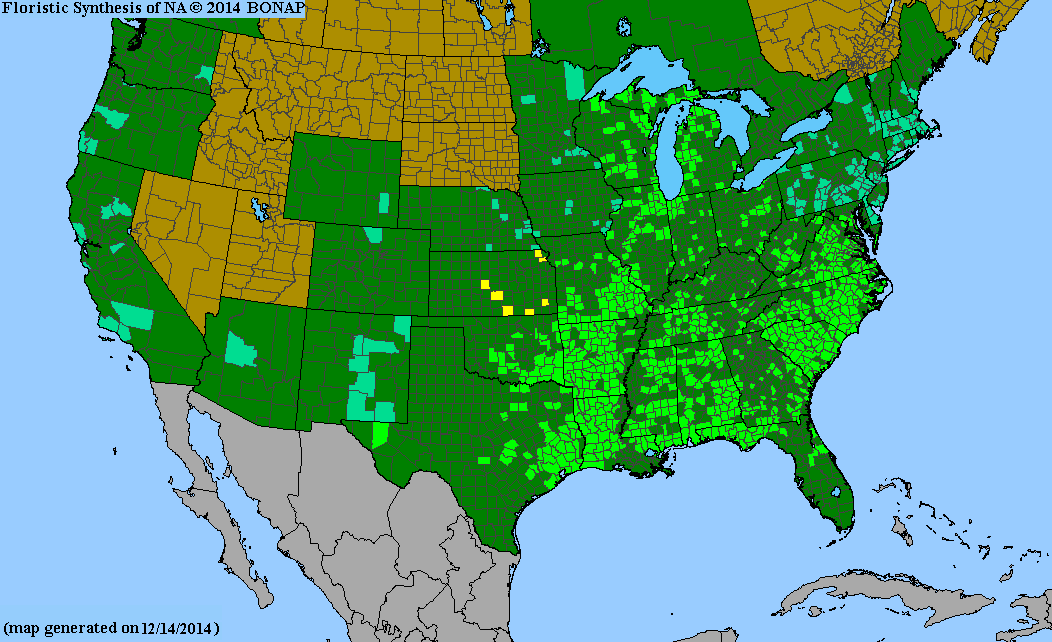
Wild Garlic Native Range

Map Color Key

Species present in state and nativeSpecies present and not rare
Species not present in stateSpecies present and rare

Kartesz, J.T., The Biota of North America Program (BONAP). 2015. North American Plant Atlas. (http://bonap.net/napa). Chapel Hill, N.C. [maps generated from Kartesz, J.T. 2015. Floristic Synthesis of North America, Version 1.0. Biota of North America Program (BONAP). (in press)].

Plantain-leaved Pussytoes

Description Pussy Toes is a low-growing native perennial that forms soft, silvery-green mats of fuzzy foliage close to the ground. The felted leaves create a delicate, almost velvety texture that contrasts beautifully with coarser prairie plants. In early to mid-spring, small clusters of white to pale pink flowers rise just above the foliage, resembling tiny

Plantain-leaved Pussytoes Read More »

Antennaria plantaginifolia
Plant TypeFlowering Perennials
Sun ExposureFull Sun (6+ Hrs), Part Sun / Shade (3-6 Hrs)
HeightGround (<1')
Bloom MonthsApril, May
Moisture NeedsDrought Tolerant
Season of InterestSpring (Mar-May)
Ecological SignificanceNative Bee Friendly, Butterfly Friendly

Plantain-leaved Pussytoes Native Range

Map Color Key

Species present in state and nativeSpecies present and not rare
Species not present in stateSpecies present and rare

Kartesz, J.T., The Biota of North America Program (BONAP). 2015. North American Plant Atlas. (http://bonap.net/napa). Chapel Hill, N.C. [maps generated from Kartesz, J.T. 2015. Floristic Synthesis of North America, Version 1.0. Biota of North America Program (BONAP). (in press)].

Rudbeckia fulgida var speciosa (Showy Black-Eyed Susan)

Showy Black-Eyed Susan

Description Showy Black-Eyed Susan is a vibrant, long-blooming native perennial that lights up summer landscapes with its golden, daisy-like flowers. Blooming from mid to late summer, it forms tidy clumps of dark green, lance-shaped leaves that provide a lush base for tall, sturdy flower stems. Each bloom features bright yellow rays surrounding a deep brown

Showy Black-Eyed Susan Read More »

Rudbeckia fulgida
Rudbeckia fulgida var speciosa (Showy Black-Eyed Susan)
Plant TypeFlowering Perennials
Sun ExposureFull Sun (6+ Hrs), Part Sun / Shade (3-6 Hrs)
HeightShort (1-3')
Bloom MonthsJuly, August, September
Moisture NeedsNormal
Season of InterestSummer (Jun-Aug), Fall (Sep-Nov)

Showy Black-Eyed Susan Native Range

Map Color Key

Species present in state and nativeSpecies present and not rare
Species not present in stateSpecies present and rare

Kartesz, J.T., The Biota of North America Program (BONAP). 2015. North American Plant Atlas. (http://bonap.net/napa). Chapel Hill, N.C. [maps generated from Kartesz, J.T. 2015. Floristic Synthesis of North America, Version 1.0. Biota of North America Program (BONAP). (in press)].

Short's Aster

Short’s Aster

Description Short’s Aster is a graceful, shade-tolerant native perennial that brightens woodlands and shaded edges with abundant clusters of lavender-blue flowers in late summer and fall. Its branching stems form loose, arching clumps topped with sprays of daisy-like blooms that attract pollinators well into the autumn months. The heart-shaped, serrated leaves add texture and softness

Short’s Aster Read More »

Symphyatrichum shortii
Short's Aster
Plant TypeFlowering Perennials
Sun ExposurePart Sun / Shade (3-6 Hrs), Shade (0-3 Hrs)
HeightShort (1-3')
Bloom MonthsAugust, September, October
Moisture NeedsNormal
Season of InterestSummer (Jun-Aug), Fall (Sep-Nov)

Purple Milkweed

Description Purple Milkweed is one of the most beautiful and uncommon native milkweeds, admired for its deep rose-purple flower clusters and refined, upright form. Blooming in early to mid-summer, it bears tight, rounded umbels of richly colored flowers that stand out against broad, deep green leaves. The foliage is arranged opposite along sturdy, smooth stems,

Purple Milkweed Read More »

Asclepias purpurascens
© Marko - stock.adobe.com
Plant TypeFlowering Perennials
Sun ExposureFull Sun (6+ Hrs)
HeightMedium (3-5')
Bloom MonthsJune, July
Moisture NeedsNormal
Season of InterestSummer (Jun-Aug)

Purple Milkweed Native Range

Map Color Key

Species present in state and nativeSpecies present and not rare
Species not present in stateSpecies present and rare

Kartesz, J.T., The Biota of North America Program (BONAP). 2015. North American Plant Atlas. (http://bonap.net/napa). Chapel Hill, N.C. [maps generated from Kartesz, J.T. 2015. Floristic Synthesis of North America, Version 1.0. Biota of North America Program (BONAP). (in press)].

Prairie Milkweed

Description Prairie Milkweed is a striking, upright native perennial with clusters of fragrant pink to rose-colored flowers that bloom in early to mid-summer. Its thick, broad leaves are a distinctive bluish-green and arranged oppositely along sturdy stems, giving the plant a clean, architectural appearance. Closely related to Common Milkweed but less aggressive, Prairie Milkweed is

Prairie Milkweed Read More »

Asclepias sullivantii
© John - stock.adobe.com
Plant TypeFlowering Perennials
Sun ExposureFull Sun (6+ Hrs)
HeightMedium (3-5')
Bloom MonthsJune, July, August
Moisture NeedsNormal
Season of InterestSummer (Jun-Aug)

Prairie Milkweed Native Range

Map Color Key

Species present in state and nativeSpecies present and not rare
Species not present in stateSpecies present and rare

Kartesz, J.T., The Biota of North America Program (BONAP). 2015. North American Plant Atlas. (http://bonap.net/napa). Chapel Hill, N.C. [maps generated from Kartesz, J.T. 2015. Floristic Synthesis of North America, Version 1.0. Biota of North America Program (BONAP). (in press)].

Prairie Cinquefoil

Description Prairie Cinquefoil is a graceful, upright native perennial with clusters of creamy white, five-petaled flowers that bloom atop sturdy stems in early to mid-summer. Its fern-like, deeply divided leaves form an attractive basal rosette that remains lush throughout the season. The delicate, rose-like blossoms rise above the foliage on tall stems, lending an airy

Prairie Cinquefoil Read More »

Drymocallis arguta
© nahhan - stock.adobe.com
Plant TypeFlowering Perennials
Sun ExposureFull Sun (6+ Hrs), Part Sun / Shade (3-6 Hrs)
HeightShort (1-3')
Bloom MonthsJune, July, August, September
Moisture NeedsDrought Tolerant
Season of InterestSummer (Jun-Aug), Fall (Sep-Nov)

Prairie Cinquefoil Native Range

Map Color Key

Species present in state and nativeSpecies present and not rare
Species not present in stateSpecies present and rare

Kartesz, J.T., The Biota of North America Program (BONAP). 2015. North American Plant Atlas. (http://bonap.net/napa). Chapel Hill, N.C. [maps generated from Kartesz, J.T. 2015. Floristic Synthesis of North America, Version 1.0. Biota of North America Program (BONAP). (in press)].

Lance-Leaf Coreopsis

Description Lance-Leaf Coreopsis is a cheerful, sun-loving native perennial known for its abundant golden-yellow daisy-like flowers. Blooming from late spring through mid-summer, each bloom features a deep yellow center surrounded by broad, notched petals that brighten prairies and gardens alike. The narrow, lance-shaped leaves form a tidy, low mound of foliage that remains attractive even

Lance-Leaf Coreopsis Read More »

Coreopsis lanceolata
Plant TypeFlowering Perennials
Sun ExposureFull Sun (6+ Hrs)
HeightShort (1-3')
Bloom MonthsMay, June, July, August
Moisture NeedsDrought Tolerant
Season of InterestSpring (Mar-May), Summer (Jun-Aug)

Lance-Leaf Coreopsis Native Range

Map Color Key

Species present in state and nativeSpecies present and not rare
Species not present in stateSpecies present and rare

Kartesz, J.T., The Biota of North America Program (BONAP). 2015. North American Plant Atlas. (http://bonap.net/napa). Chapel Hill, N.C. [maps generated from Kartesz, J.T. 2015. Floristic Synthesis of North America, Version 1.0. Biota of North America Program (BONAP). (in press)].

Spotted Bee Balm (Monarda punctata)

Horsemint

Description Horsemint is a striking, aromatic native perennial known for its tiered, whorled flower clusters and showy bracts. Blooming from mid to late summer, the plant features cream-colored tubular flowers spotted with purple, surrounded by pastel pink or lavender bracts that create a layered, almost sculptural appearance. Its mint-scented leaves release a spicy fragrance when

Horsemint Read More »

Monarda punctata
Spotted Bee Balm (Monarda punctata)
Plant TypeFlowering Perennials
Sun ExposureFull Sun (6+ Hrs)
HeightShort (1-3')
Bloom MonthsJuly, August, September
Moisture NeedsDrought Tolerant
Season of InterestSummer (Jun-Aug), Fall (Sep-Nov)

Horsemint Native Range

Map Color Key

Species present in state and nativeSpecies present and not rare
Species not present in stateSpecies present and rare

Kartesz, J.T., The Biota of North America Program (BONAP). 2015. North American Plant Atlas. (http://bonap.net/napa). Chapel Hill, N.C. [maps generated from Kartesz, J.T. 2015. Floristic Synthesis of North America, Version 1.0. Biota of North America Program (BONAP). (in press)].

Scroll to Top