Grasses and Sedges

Tufted Hairgrass (Deschampsia cespitosa)

Tufted Hairgrass

Description Tufted Hairgrass is a graceful, cool-season native grass that forms tidy, fountain-like clumps of fine green foliage. In early summer, delicate, airy flower plumes rise above the leaves, creating a soft, cloud-like effect that shimmers in light breezes and catches morning and evening light. The plumes often persist beyond peak bloom, extending the plant’s

Tufted Hairgrass Read More »

Deschampsia caespitosa
Tufted Hairgrass (Deschampsia cespitosa)
Plant TypeGrasses & Sedges
Sun ExposureFull Sun (6+ Hrs), Part Sun / Shade (3-6 Hrs)
HeightShort (1-3')
Bloom MonthsJune, July
Moisture NeedsNormal, Flood Tolerant
Season of InterestSummer (Jun-Aug)
Ecological SignificanceBird Friendly

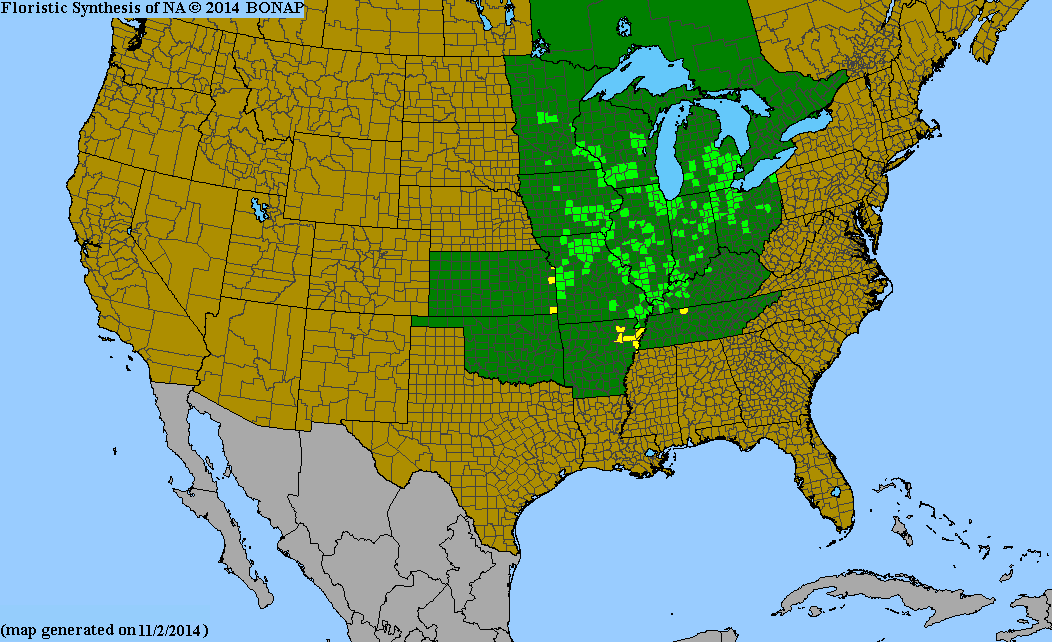
Tufted Hairgrass Native Range

Map Color Key

Species present in state and nativeSpecies present and not rare
Species not present in stateSpecies present and rare

Kartesz, J.T., The Biota of North America Program (BONAP). 2015. North American Plant Atlas. (http://bonap.net/napa). Chapel Hill, N.C. [maps generated from Kartesz, J.T. 2015. Floristic Synthesis of North America, Version 1.0. Biota of North America Program (BONAP). (in press)].

Straight-Styled Wood Sedge

Description Straight-Styled Wood Sedge is a refined woodland sedge that forms soft, flowing clumps of arching green foliage. In spring, it produces delicate seed heads that rise just above the leaves, adding subtle texture and visual detail without drawing attention away from nearby flowering plants. Its fine texture and gentle habit allow it to blend

Straight-Styled Wood Sedge Read More »

Carex radiata
Plant TypeGrasses & Sedges
Sun ExposurePart Sun / Shade (3-6 Hrs), Shade (0-3 Hrs)
HeightShort (1-3')
Bloom MonthsApril, May
Moisture NeedsNormal
Season of InterestSpring (Mar-May), Summer (Jun-Aug)
Ecological SignificanceBird Friendly

Straight-Styled Wood Sedge Native Range

Map Color Key

Species present in state and nativeSpecies present and not rare
Species not present in stateSpecies present and rare

Kartesz, J.T., The Biota of North America Program (BONAP). 2015. North American Plant Atlas. (http://bonap.net/napa). Chapel Hill, N.C. [maps generated from Kartesz, J.T. 2015. Floristic Synthesis of North America, Version 1.0. Biota of North America Program (BONAP). (in press)].

Plantain-Leaved Sedge

Description Plantain-Leaved Sedge is a striking native sedge known for its broad, bright green leaves that give it an almost tropical appearance in shaded landscapes. The foliage emerges early in spring and forms tidy, upright clumps that remain attractive throughout the growing season. Compared to finer-textured sedges, its bold leaves provide strong visual contrast, making

Plantain-Leaved Sedge Read More »

Carex plantaginea
© Robert - stock.adobe.com
Plant TypeGrasses & Sedges
Sun ExposurePart Sun / Shade (3-6 Hrs), Shade (0-3 Hrs)
HeightShort (1-3')
Bloom MonthsApril, May
Moisture NeedsNormal
Season of InterestSpring (Mar-May), Summer (Jun-Aug)
Ecological SignificanceBird Friendly

Plantain-Leaved Sedge Native Range

Map Color Key

Species present in state and nativeSpecies present and not rare
Species not present in stateSpecies present and rare

Kartesz, J.T., The Biota of North America Program (BONAP). 2015. North American Plant Atlas. (http://bonap.net/napa). Chapel Hill, N.C. [maps generated from Kartesz, J.T. 2015. Floristic Synthesis of North America, Version 1.0. Biota of North America Program (BONAP). (in press)].

Long-Beaked Sedge

Description Long-Beaked Sedge is a graceful, shade-tolerant native sedge with fine, arching foliage that forms neat, fountain-like clumps in woodland settings. In late spring, it produces distinctive elongated seed heads that extend beyond the leaves, adding subtle visual interest without drawing attention away from nearby flowering plants. Its soft texture and restrained form make it

Long-Beaked Sedge Read More »

Carex sprengelii

"Carex sprengelii" by Matt Lavin is licensed under CC BY-SA 2.0 .

Plant TypeGrasses & Sedges
Sun ExposurePart Sun / Shade (3-6 Hrs), Shade (0-3 Hrs)
HeightShort (1-3')
Bloom MonthsMay, June
Moisture NeedsNormal
Season of InterestSpring (Mar-May), Summer (Jun-Aug)
Ecological SignificanceBird Friendly

Long-Beaked Sedge Native Range

Map Color Key

Species present in state and nativeSpecies present and not rare
Species not present in stateSpecies present and rare

Kartesz, J.T., The Biota of North America Program (BONAP). 2015. North American Plant Atlas. (http://bonap.net/napa). Chapel Hill, N.C. [maps generated from Kartesz, J.T. 2015. Floristic Synthesis of North America, Version 1.0. Biota of North America Program (BONAP). (in press)].

Bottlebrush Grass

Description Bottlebrush Grass is a native woodland grass with gracefully arching stems topped by soft, bottlebrush-like seed heads that emerge in early summer. The seed heads have a gentle, feathery appearance that adds movement and texture as they sway in light breezes. Its relaxed, flowing form gives shaded landscapes a natural, meadow-like feel, while the

Bottlebrush Grass Read More »

Elymus patula
Plant TypeGrasses & Sedges
Sun ExposurePart Sun / Shade (3-6 Hrs)
HeightMedium (3-5')
Bloom MonthsJune, July
Moisture NeedsNormal
Season of InterestSummer (Jun-Aug)
Ecological SignificanceBird Friendly

River Oats

Description River Oats is a shade-tolerant native grass best known for its broad, flat seed heads that dangle gracefully from arching stems, adding instant texture and movement to shaded landscapes. The seed heads emerge green in late summer, gradually maturing to warm bronze tones and often persisting well into winter. As they catch the light

River Oats Read More »

Chasmanthium latifolium
© nickkurzenko - stock.adobe.com
Plant TypeGrasses & Sedges
Sun ExposurePart Sun / Shade (3-6 Hrs), Shade (0-3 Hrs)
HeightMedium (3-5')
Bloom MonthsAugust, September
Moisture NeedsNormal
Season of InterestFall (Sep-Nov), Winter (Dec - Feb)
Ecological SignificanceBird Friendly, Winter Bird Feed

River Oats Native Range

Map Color Key

Species present in state and nativeSpecies present and not rare
Species not present in stateSpecies present and rare

Kartesz, J.T., The Biota of North America Program (BONAP). 2015. North American Plant Atlas. (http://bonap.net/napa). Chapel Hill, N.C. [maps generated from Kartesz, J.T. 2015. Floristic Synthesis of North America, Version 1.0. Biota of North America Program (BONAP). (in press)].

Palm Sedge

Description Palm Sedge is a distinctive native sedge recognized for its bright green, palm-like whorls of foliage that radiate outward from upright stems. The bold, architectural form gives it a look unlike most sedges, adding strong vertical texture and visual rhythm to moist landscapes. Its foliage remains attractive from spring through fall, creating a lively,

Palm Sedge Read More »

Carex muskingumensis

"Carex muskingumensis Little Midge 1zz" by Photo by David J. Stang is licensed under CC BY-SA 4.0 .

Plant TypeGrasses & Sedges
Sun ExposurePart Sun / Shade (3-6 Hrs)
HeightShort (1-3')
Bloom MonthsJune, July
Moisture NeedsNormal, Flood Tolerant
Season of InterestSummer (Jun-Aug), Fall (Sep-Nov)
Ecological SignificanceBird Friendly

Palm Sedge Native Range

Map Color Key

Species present in state and nativeSpecies present and not rare
Species not present in stateSpecies present and rare

Kartesz, J.T., The Biota of North America Program (BONAP). 2015. North American Plant Atlas. (http://bonap.net/napa). Chapel Hill, N.C. [maps generated from Kartesz, J.T. 2015. Floristic Synthesis of North America, Version 1.0. Biota of North America Program (BONAP). (in press)].

Common Wood Sedge

Description Common Wood Sedge is a versatile and understated native sedge that forms graceful, arching clumps of fine-textured green foliage. Its soft, flowing habit creates a natural, cohesive look in woodland and shaded landscapes, where it functions as a living ground layer rather than a focal plant. The foliage emerges early in spring and remains

Common Wood Sedge Read More »

Carex blanda

"Carex blanda" by Alex Zorach is licensed under CC BY 4.0 .

Plant TypeGrasses & Sedges
Sun ExposurePart Sun / Shade (3-6 Hrs), Shade (0-3 Hrs)
HeightShort (1-3')
Bloom MonthsApril, May
Moisture NeedsNormal
Season of InterestSpring (Mar-May), Summer (Jun-Aug)
Ecological SignificanceBird Friendly

Common Wood Sedge Native Range

Map Color Key

Species present in state and nativeSpecies present and not rare
Species not present in stateSpecies present and rare

Kartesz, J.T., The Biota of North America Program (BONAP). 2015. North American Plant Atlas. (http://bonap.net/napa). Chapel Hill, N.C. [maps generated from Kartesz, J.T. 2015. Floristic Synthesis of North America, Version 1.0. Biota of North America Program (BONAP). (in press)].

Side Oats Grama (bouteloua curtipendula)

Side Oats Grama

  • Grows 2 to 3 feet tall
  • Full sun
  • Medium to dry soil
  • Bright purple and orange flowers in August and September
  • Larval host plant for many butterflies and moths
  • Attractive, shorter grass
  • Well-behaved

Side Oats Grama Read More »

Bouteloua curtipendula
Side Oats Grama (bouteloua curtipendula)
Sun ExposureFull Sun (6+ Hrs)
HeightShort (1-3')
MoistureDry, Medium
Bloom MonthsMay, June, July
Moisture NeedsDrought Tolerant
Season of InterestSummer (Jun-Aug), Fall (Sep-Nov)
Ecological SignificanceBird Friendly, Winter Bird Feed

Side Oats Grama Native Range

Map Color Key

Species present in state and nativeSpecies present and not rare
Species not present in stateSpecies present and rare

Kartesz, J.T., The Biota of North America Program (BONAP). 2015. North American Plant Atlas. (http://bonap.net/napa). Chapel Hill, N.C. [maps generated from Kartesz, J.T. 2015. Floristic Synthesis of North America, Version 1.0. Biota of North America Program (BONAP). (in press)].

Oak Sedge (carex pensylvanica)

Pennsylvania Sedge

  • Very sought-after
  • Looks like traditional lawn
  • Grows to 8 inches
  • Good lawn replacement
  • Grows in full sun to full shade
  • Likes medium to dry soil
  • Great plant for shady, dry locations with poor soils

Pennsylvania Sedge Read More »

Carex pensylvanica
Oak Sedge (carex pensylvanica)
Sun ExposurePart Sun / Shade (3-6 Hrs), Shade (0-3 Hrs)
HeightShort (1-3')
MoistureDry, Medium
Bloom MonthsMay, June, July
Moisture NeedsDrought Tolerant
Season of InterestSpring (Mar-May)
Ecological SignificanceBird Friendly

Pennsylvania Sedge Native Range

Map Color Key

Species present in state and nativeSpecies present and not rare
Species not present in stateSpecies present and rare

Kartesz, J.T., The Biota of North America Program (BONAP). 2015. North American Plant Atlas. (http://bonap.net/napa). Chapel Hill, N.C. [maps generated from Kartesz, J.T. 2015. Floristic Synthesis of North America, Version 1.0. Biota of North America Program (BONAP). (in press)].

Scroll to Top