Shrubs

Dwarf Bush Honeysuckle

Description Dwarf Bush-honeysuckle is a durable, adaptable native shrub with a low, mounded form and a refined, understated presence in the landscape. In early summer, it produces cheerful yellow tubular flowers that appear along the stems, offering bright pops of color against clean green foliage. The leaves remain attractive throughout the growing season and often

Dwarf Bush Honeysuckle Read More »

Diervilla lonicera

"Diervilla lonicera 5492641 3x2" by Rob Routledge, Sault College, Bugwood.org is licensed under CC BY 3.0 .

Plant TypeShrubs
Sun ExposureFull Sun (6+ Hrs), Part Sun / Shade (3-6 Hrs), Shade (0-3 Hrs)
HeightShort (1-3')
Bloom MonthsJune, July
Moisture NeedsDrought Tolerant, Normal
Season of InterestSummer (Jun-Aug), Fall (Sep-Nov)
Shrub HeightUnder 3'
Ecological SignificanceNative Bee Friendly, Bird Friendly, Hummingbird Friendly

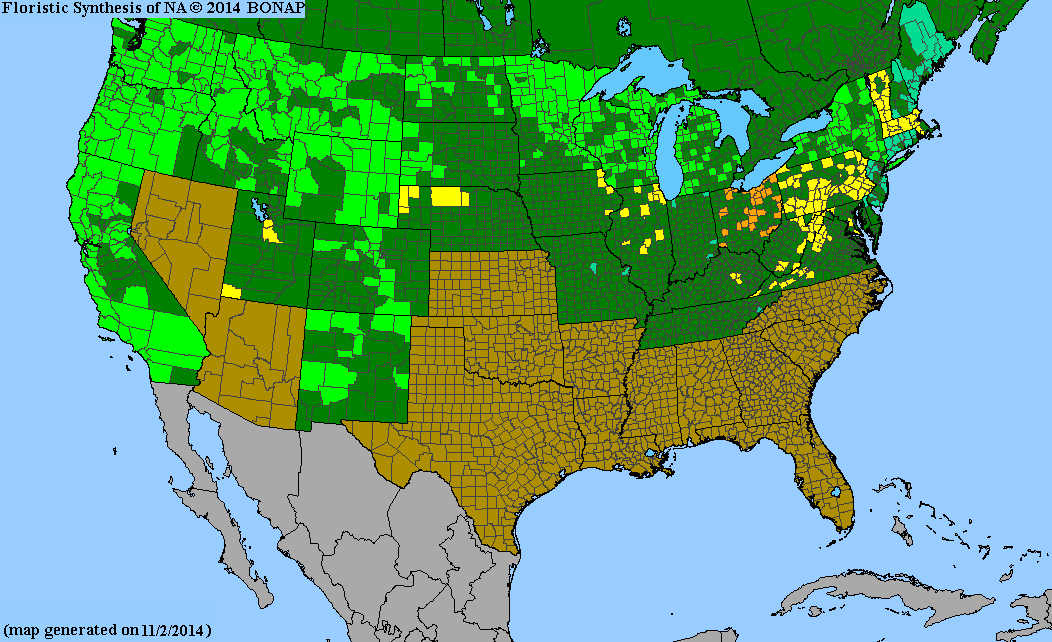
Dwarf Bush Honeysuckle Native Range

Map Color Key

Species present in state and nativeSpecies present and not rare
Species not present in stateSpecies present and rare

Kartesz, J.T., The Biota of North America Program (BONAP). 2015. North American Plant Atlas. (http://bonap.net/napa). Chapel Hill, N.C. [maps generated from Kartesz, J.T. 2015. Floristic Synthesis of North America, Version 1.0. Biota of North America Program (BONAP). (in press)].

Steeplebush

Description Steeplebush is an upright native shrub known for its narrow, tapering spikes of rosy-pink flowers that bloom from mid to late summer. The flower spikes rise above softly textured foliage, creating strong vertical lines and vivid color at a time when many shrubs have finished flowering. Its form is naturally tidy yet slightly wild,

Steeplebush Read More »

Spiraea tomentosa
Plant TypeShrubs
Sun ExposureFull Sun (6+ Hrs), Part Sun / Shade (3-6 Hrs)
HeightMedium (3-5')
Bloom MonthsJuly, August
Moisture NeedsFlood Tolerant
Season of InterestSummer (Jun-Aug)
Shrub Height3' to 6'
Ecological SignificanceNative Bee Friendly, Butterfly Friendly, Bird Friendly

Steeplebush Native Range

Map Color Key

Species present in state and nativeSpecies present and not rare
Species not present in stateSpecies present and rare

Kartesz, J.T., The Biota of North America Program (BONAP). 2015. North American Plant Atlas. (http://bonap.net/napa). Chapel Hill, N.C. [maps generated from Kartesz, J.T. 2015. Floristic Synthesis of North America, Version 1.0. Biota of North America Program (BONAP). (in press)].

Smooth Hydrangea

Smooth Hydrangea

Description Smooth Hydrangea is a native deciduous shrub valued for its large, rounded flower clusters that brighten woodland edges and shaded gardens in early to mid-summer. The blooms emerge creamy white and often mature to soft green tones, extending their ornamental appeal well beyond peak flowering. Broad, matte green leaves give the shrub a lush,

Smooth Hydrangea Read More »

Hydrangea arborescens
Smooth Hydrangea
Plant TypeShrubs
Sun ExposurePart Sun / Shade (3-6 Hrs), Shade (0-3 Hrs)
Bloom MonthsJune, July
Moisture NeedsNormal
Season of InterestSummer (Jun-Aug)
Shrub Height3' to 6'
Ecological SignificanceNative Bee Friendly, Bird Friendly

Smooth Hydrangea Native Range

Map Color Key

Species present in state and nativeSpecies present and not rare
Species not present in stateSpecies present and rare

Kartesz, J.T., The Biota of North America Program (BONAP). 2015. North American Plant Atlas. (http://bonap.net/napa). Chapel Hill, N.C. [maps generated from Kartesz, J.T. 2015. Floristic Synthesis of North America, Version 1.0. Biota of North America Program (BONAP). (in press)].

Kalm's St John's Wort

Kalm’s St. John’s Wort

Description Kalm’s St. John’s Wort is a compact, rounded native shrub valued for its tidy form, blue-green foliage, and profusion of golden-yellow flowers. Blooming from mid to late summer, it covers itself with clusters of bright, five-petaled blossoms that radiate cheerful color and attract a variety of pollinators. The narrow, linear leaves lend a fine

Kalm’s St. John’s Wort Read More »

Hypericum kalmianum
Kalm's St John's Wort
Plant TypeShrubs
Sun ExposureFull Sun (6+ Hrs)
Bloom MonthsJuly, August
Moisture NeedsNormal
Season of InterestSummer (Jun-Aug)
Shrub HeightUnder 3'
Shrub Spread3' to 6'

Kalm’s St. John’s Wort Native Range

Map Color Key

Species present in state and nativeSpecies present and not rare
Species not present in stateSpecies present and rare

Kartesz, J.T., The Biota of North America Program (BONAP). 2015. North American Plant Atlas. (http://bonap.net/napa). Chapel Hill, N.C. [maps generated from Kartesz, J.T. 2015. Floristic Synthesis of North America, Version 1.0. Biota of North America Program (BONAP). (in press)].

Vernal Witch Hazel (Hamamelis vernalis)

Vernal Witch Hazel

  • Grows 6 to 12 feet tall
  • Full sun to part shade
  • Dry to medium soil
  • Blooms in March
  • Takes well to pruning
  • Larval host plant
  • Not for the small landscape
  • Winter flowering with interesting seed capsules that shoot out the seeds
  • Pollinated by flies and wasps

Vernal Witch Hazel Read More »

Hamamelis vernalis
Vernal Witch Hazel (Hamamelis vernalis)
Plant TypeShrubs
Sun ExposureFull Sun (6+ Hrs), Part Sun / Shade (3-6 Hrs)
MoistureDry, Medium
Bloom MonthsMay, June, July
Moisture NeedsNormal
Season of InterestWinter (Dec - Feb)
Shrub HeightOver 6'
Shrub SpreadOver 6'

Vernal Witch Hazel Native Range

Map Color Key

Species present in state and nativeSpecies present and not rare
Species not present in stateSpecies present and rare

Kartesz, J.T., The Biota of North America Program (BONAP). 2015. North American Plant Atlas. (http://bonap.net/napa). Chapel Hill, N.C. [maps generated from Kartesz, J.T. 2015. Floristic Synthesis of North America, Version 1.0. Biota of North America Program (BONAP). (in press)].

Witch-hazel (Hamamelis virginiana)

American Witchhazel

  • Grows 10 to 15 feet tall
  • Full sun to shade
  • Dry to medium soil
  • Blooms October, November
  • Takes well to pruning
  • Loved by pollinators and birds
  • Larval host plant
  • Not for the small landscape
  • Fall flowering with interesting seed capsules that shoot out the seeds
  • Pollinated by flies and wasps
  • Bark, twigs, and leaves are often used medicinally

American Witchhazel Read More »

Hamamelis virginiana
Witch-hazel (Hamamelis virginiana)
Plant TypeShrubs
Sun ExposurePart Sun / Shade (3-6 Hrs)
MoistureDry, Medium
Bloom MonthsMay, June, July
Moisture NeedsNormal
Season of InterestFall (Sep-Nov)
Shrub HeightOver 6'
Shrub SpreadOver 6'

American Witchhazel Native Range

Map Color Key

Species present in state and nativeSpecies present and not rare
Species not present in stateSpecies present and rare

Kartesz, J.T., The Biota of North America Program (BONAP). 2015. North American Plant Atlas. (http://bonap.net/napa). Chapel Hill, N.C. [maps generated from Kartesz, J.T. 2015. Floristic Synthesis of North America, Version 1.0. Biota of North America Program (BONAP). (in press)].

Winterberry (Ilex verticillata)

Winterberry

  • Grows 8 to 10 feet tall
  • Full sun to part shade
  • Moist to wet soil
  • Blooms in June, July
  • Loved by many native pollinators
  • Birds enjoy the beautiful berries
  • Takes well to pruning
  • One male can fertilize up to ten females within 50 feet
  • Larval host plant
  • Not for the small landscape
  • Dioecious – separate male and female plants
  • Attractive fruit that persists

Winterberry Read More »

Ilex verticillata
Winterberry (Ilex verticillata)
Plant TypeShrubs
Sun ExposureFull Sun (6+ Hrs), Part Sun / Shade (3-6 Hrs)
MoistureDry, Medium
Bloom MonthsMay, June, July
Moisture NeedsFlood Tolerant
Season of InterestSpring (Mar-May), Summer (Jun-Aug), Fall (Sep-Nov)
Shrub HeightOver 6'
Shrub SpreadOver 6'
Ecological SignificanceNative Bee Friendly, Butterfly Friendly, Bird Friendly, Winter Bird Feed

Winterberry Native Range

Map Color Key

Species present in state and nativeSpecies present and not rare
Species not present in stateSpecies present and rare

Kartesz, J.T., The Biota of North America Program (BONAP). 2015. North American Plant Atlas. (http://bonap.net/napa). Chapel Hill, N.C. [maps generated from Kartesz, J.T. 2015. Floristic Synthesis of North America, Version 1.0. Biota of North America Program (BONAP). (in press)].

Swamp Rose Mallow (Hibiscus laevis)

Rose Mallow

  • Grows 3 to 6 feet tall
  • Full sun
  • Moist to wet soil
  • Blooms July, August, September
  • Loved by butterflies, bees, and other pollinators
  • A favorite of hummingbirds
  • Larval host plant
  • Beautiful flowers
  • Great specimen rain garden plant
  • Does not tolerate drought

Rose Mallow Read More »

Hibiscus laevis
Swamp Rose Mallow (Hibiscus laevis)
Plant TypeShrubs
Sun ExposureFull Sun (6+ Hrs), Part Sun / Shade (3-6 Hrs)
MoistureDry, Medium
Bloom MonthsMay, June, July
Moisture NeedsFlood Tolerant
Season of InterestSummer (Jun-Aug)
Shrub Height3' to 6'
Shrub Spread3' to 6'
Ecological SignificanceNative Bee Friendly, Butterfly Friendly, Bird Friendly, Hummingbird Friendly

Rose Mallow Native Range

Map Color Key

Species present in state and nativeSpecies present and not rare
Species not present in stateSpecies present and rare

Kartesz, J.T., The Biota of North America Program (BONAP). 2015. North American Plant Atlas. (http://bonap.net/napa). Chapel Hill, N.C. [maps generated from Kartesz, J.T. 2015. Floristic Synthesis of North America, Version 1.0. Biota of North America Program (BONAP). (in press)].

Staghorn Sumac (Rhus typhina)

Staghorn Sumac

  • Grows 15 to 20 feet tall
  • Full sun to part shade
  • Dry to moist soil
  • Blooms in May
  • Loved by pollinators
  • Nice fall color
  • Larval host plant
  • Not for small landscapes
  • Can be aggressive
  • Spreads via rhizomes

Staghorn Sumac Read More »

Rhus typhina
Staghorn Sumac (Rhus typhina)
Plant TypeShrubs
Sun ExposureFull Sun (6+ Hrs), Part Sun / Shade (3-6 Hrs)
MoistureDry, Medium
Bloom MonthsMay, June, July
Moisture NeedsDrought Tolerant
Season of InterestSummer (Jun-Aug), Fall (Sep-Nov)
Shrub HeightOver 6'
Shrub SpreadOver 6'
Ecological SignificanceNative Bee Friendly, Butterfly Friendly, Bird Friendly, Hummingbird Friendly, Winter Bird Feed

Staghorn Sumac Native Range

Map Color Key

Species present in state and nativeSpecies present and not rare
Species not present in stateSpecies present and rare

Kartesz, J.T., The Biota of North America Program (BONAP). 2015. North American Plant Atlas. (http://bonap.net/napa). Chapel Hill, N.C. [maps generated from Kartesz, J.T. 2015. Floristic Synthesis of North America, Version 1.0. Biota of North America Program (BONAP). (in press)].

Snowberry (Symphoricarpos albus)

Snow Berry

  • Grows 4 feet tall
  • Full to part sun
  • Dry to moist soil
  • Blooms May through July
  • Pollinators love the flowers
  • Birds love the berries
  • Good brushy shelter for winter birds
  • Larval host plant
  • Attractive flower
  • Drupe type fruits
  • Easy to grow

Snow Berry Read More »

Symphoricarpos albus
Snowberry (Symphoricarpos albus)
Plant TypeShrubs
Sun ExposureFull Sun (6+ Hrs), Part Sun / Shade (3-6 Hrs)
MoistureDry, Medium
Bloom MonthsMay, June, July
Moisture NeedsDrought Tolerant
Season of InterestSummer (Jun-Aug)
Shrub HeightUnder 3', 3' to 6'
Shrub Spread3' to 6'
Ecological SignificanceNative Bee Friendly, Butterfly Friendly, Bird Friendly, Hummingbird Friendly, Winter Bird Feed

Snow Berry Native Range

Map Color Key

Species present in state and nativeSpecies present and not rare
Species not present in stateSpecies present and rare

Kartesz, J.T., The Biota of North America Program (BONAP). 2015. North American Plant Atlas. (http://bonap.net/napa). Chapel Hill, N.C. [maps generated from Kartesz, J.T. 2015. Floristic Synthesis of North America, Version 1.0. Biota of North America Program (BONAP). (in press)].

Scroll to Top