Beautiful and Easy Native Plants for Shade

Short's Aster

Short’s Aster

Description Short’s Aster is a graceful, shade-tolerant native perennial that brightens woodlands and shaded edges with abundant clusters of lavender-blue flowers in late summer and fall. Its branching stems form loose, arching clumps topped with sprays of daisy-like blooms that attract pollinators well into the autumn months. The heart-shaped, serrated leaves add texture and softness

Short’s Aster Read More »

Symphyatrichum shortii
Short's Aster
Plant TypeFlowering Perennials
Sun ExposurePart Sun / Shade (3-6 Hrs), Shade (0-3 Hrs)
HeightShort (1-3')
Bloom MonthsAugust, September, October
Moisture NeedsNormal
Season of InterestSummer (Jun-Aug), Fall (Sep-Nov)
Big Leaved Aster (eurybia macrophylla)

Big Leaved Aster

  • Large, heart-shaped leaves up to 8 inches
  • Good for a shade groundcover
  • Grows 12 inches tall
  • Part shade to shade
  • Dry to moist soil
  • Non-showy bloom from August through October
  • Shorter shade-tolerant aster

Big Leaved Aster Read More »

Eurybia macrophylla
Big Leaved Aster (eurybia macrophylla)
Plant TypeFlowering Perennials
Sun ExposurePart Sun / Shade (3-6 Hrs), Shade (0-3 Hrs)
HeightShort (1-3')
MoistureDry, Medium
Bloom MonthsMay, June, July
Moisture NeedsNormal
Season of InterestSummer (Jun-Aug), Fall (Sep-Nov)
Ecological SignificanceNative Bee Friendly, Butterfly Friendly, Bird Friendly, Hummingbird Friendly

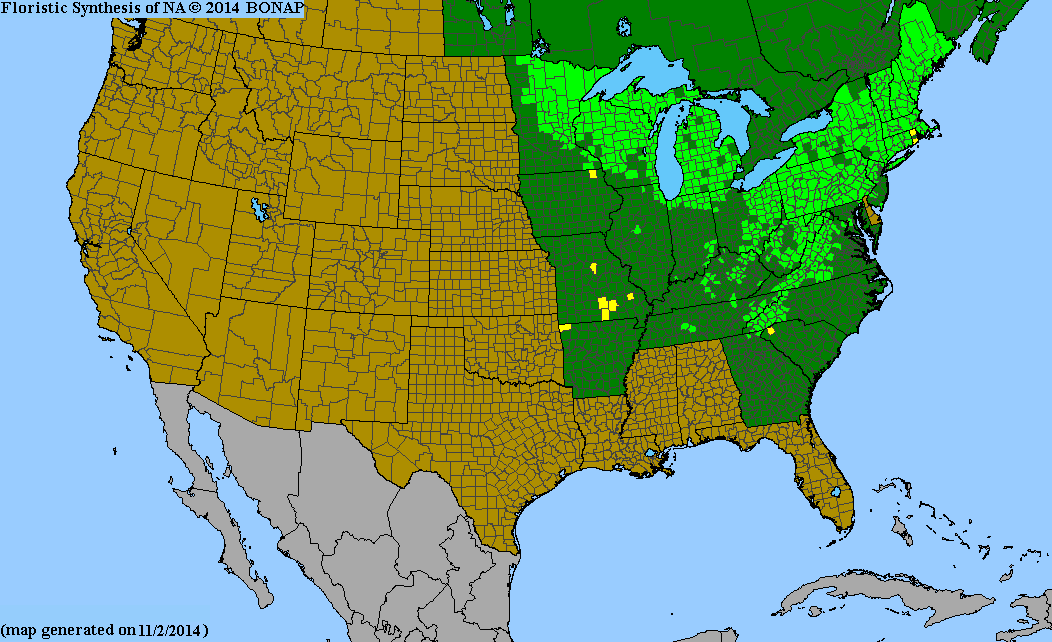
Big Leaved Aster Native Range

Map Color Key

Species present in state and nativeSpecies present and not rare
Species not present in stateSpecies present and rare

Kartesz, J.T., The Biota of North America Program (BONAP). 2015. North American Plant Atlas. (http://bonap.net/napa). Chapel Hill, N.C. [maps generated from Kartesz, J.T. 2015. Floristic Synthesis of North America, Version 1.0. Biota of North America Program (BONAP). (in press)].

Wild columbine (aquilegia canadensis) (1)

Wild Columbine

  • Grows 1 to 3 feet tall
  • Medium to dry soil
  • Full sun to full shade
  • Blooms May and June
  • Attractive to pollinators and hummingbirds
  • Larval host plant
  • Adaptable plant that grows in full sun to shade
  • Tolerates a wide range of soils as long as drainage is good

Wild Columbine Read More »

Aquilegia canadensis
Wild columbine (aquilegia canadensis) (1)
Plant TypeFlowering Perennials
Sun ExposurePart Sun / Shade (3-6 Hrs), Shade (0-3 Hrs)
HeightShort (1-3')
MoistureDry, Medium
Bloom MonthsMay, June, July
Moisture NeedsNormal
Season of InterestSpring (Mar-May), Summer (Jun-Aug)
Ecological SignificanceKeystone, Native Bee Friendly, Butterfly Friendly, Hummingbird Friendly

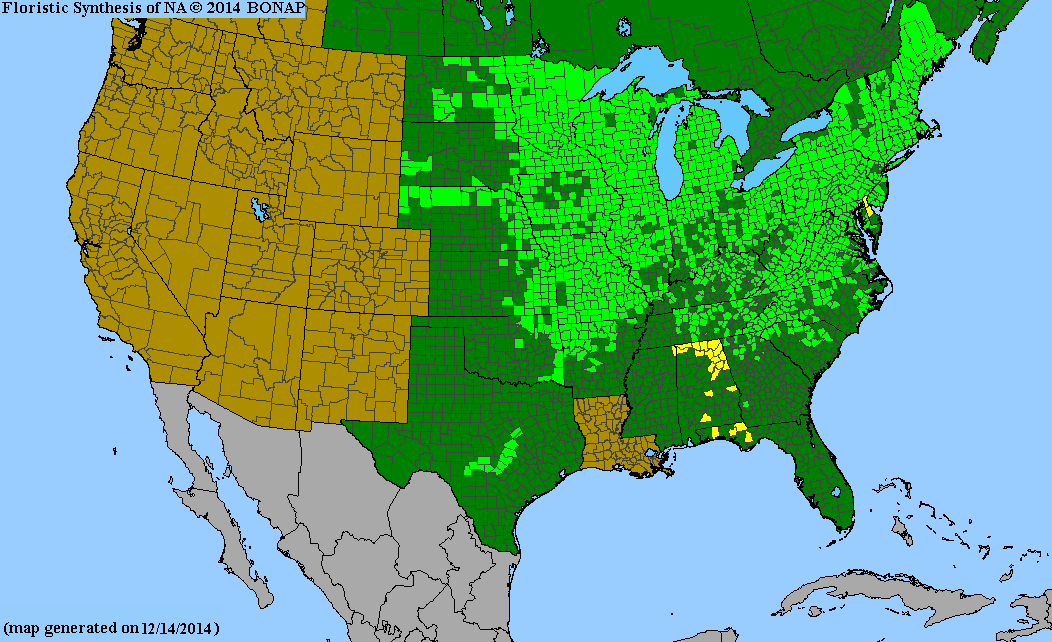
Wild Columbine Native Range

Map Color Key

Species present in state and nativeSpecies present and not rare
Species not present in stateSpecies present and rare

Kartesz, J.T., The Biota of North America Program (BONAP). 2015. North American Plant Atlas. (http://bonap.net/napa). Chapel Hill, N.C. [maps generated from Kartesz, J.T. 2015. Floristic Synthesis of North America, Version 1.0. Biota of North America Program (BONAP). (in press)].

Hairy Beardtongue (penstemon hirsutus)

Hairy Beardtongue

  • Grows to 18 inches tall
  • Full sun to shade
  • Dry to medium soil
  • Blooms May and June
  • Attracts bumblebees, butterflies, and hummingbirds
  • Attractive shorter Penstemon

Hairy Beardtongue Read More »

Penstemon hirsutus
Hairy Beardtongue (penstemon hirsutus)
Plant TypeFlowering Perennials
Sun ExposureFull Sun (6+ Hrs), Part Sun / Shade (3-6 Hrs)
HeightShort (1-3')
MoistureDry, Medium
Bloom MonthsMay, June, July
Moisture NeedsDrought Tolerant
Season of InterestSummer (Jun-Aug)
Ecological SignificanceNative Bee Friendly, Butterfly Friendly, Hummingbird Friendly

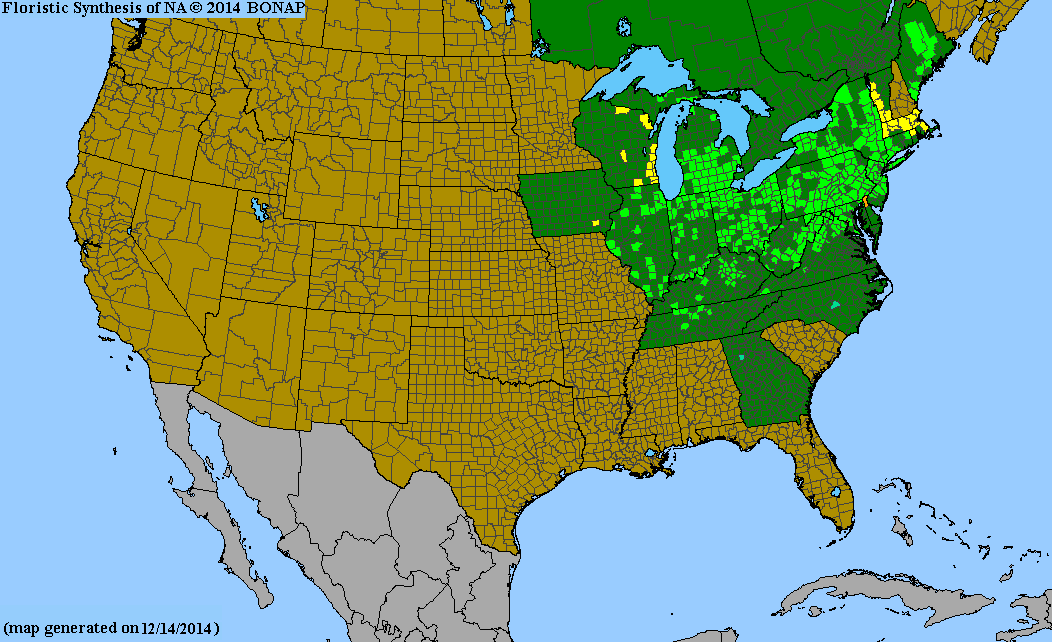
Hairy Beardtongue Native Range

Map Color Key

Species present in state and nativeSpecies present and not rare
Species not present in stateSpecies present and rare

Kartesz, J.T., The Biota of North America Program (BONAP). 2015. North American Plant Atlas. (http://bonap.net/napa). Chapel Hill, N.C. [maps generated from Kartesz, J.T. 2015. Floristic Synthesis of North America, Version 1.0. Biota of North America Program (BONAP). (in press)].

Zig Zag Goldenrod (solidago flexicaulis)

Zig Zag Goldenrod

  • Keystone Plant
  • Very attractive to pollinators
  • Larval host plant
  • Goldenrods are not the cause of hay fever
  • Part shade to shade
  • Medium to dry soil
  • 1′ to 3′ tall
  • Bloom August through October
  • Shade-loving Goldenrod
  • Will move around
  • Great color companion for Asters in the fall

Zig Zag Goldenrod Read More »

Solidago flexicaulis
Zig Zag Goldenrod (solidago flexicaulis)
Plant TypeFlowering Perennials
Sun ExposurePart Sun / Shade (3-6 Hrs), Shade (0-3 Hrs)
HeightShort (1-3')
MoistureDry, Medium
Bloom MonthsAugust, September, October
Moisture NeedsNormal
Season of InterestSummer (Jun-Aug), Fall (Sep-Nov)
Ecological SignificanceKeystone, Native Bee Friendly, Butterfly Friendly

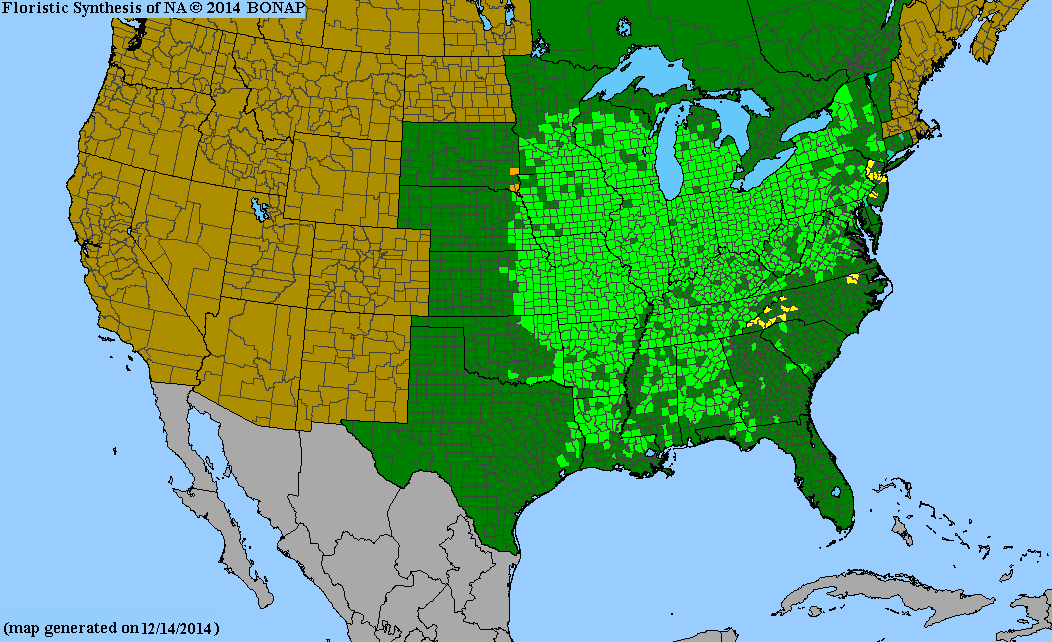
Zig Zag Goldenrod Native Range

Map Color Key

Species present in state and nativeSpecies present and not rare
Species not present in stateSpecies present and rare

Kartesz, J.T., The Biota of North America Program (BONAP). 2015. North American Plant Atlas. (http://bonap.net/napa). Chapel Hill, N.C. [maps generated from Kartesz, J.T. 2015. Floristic Synthesis of North America, Version 1.0. Biota of North America Program (BONAP). (in press)].

Wild Blue Phlox (phlox divaricata)

Wild Blue Phlox

  • Attractive to butterflies and hummingbirds
  • Part shade to shade
  • Medium to moist soil
  • 12″ tall
  • Blooms April through June
  • Great edge planting for shady areas
  • Rabbits love this plant

Wild Blue Phlox Read More »

Phlox divaricata
Wild Blue Phlox (phlox divaricata)
Plant TypeFlowering Perennials
Sun ExposurePart Sun / Shade (3-6 Hrs), Shade (0-3 Hrs)
HeightShort (1-3')
MoistureMedium, Wet
Bloom MonthsApril, May, June
Moisture NeedsNormal
Season of InterestSpring (Mar-May), Summer (Jun-Aug)
Ecological SignificanceNative Bee Friendly, Butterfly Friendly, Hummingbird Friendly

Wild Blue Phlox Native Range

Map Color Key

Species present in state and nativeSpecies present and not rare
Species not present in stateSpecies present and rare

Kartesz, J.T., The Biota of North America Program (BONAP). 2015. North American Plant Atlas. (http://bonap.net/napa). Chapel Hill, N.C. [maps generated from Kartesz, J.T. 2015. Floristic Synthesis of North America, Version 1.0. Biota of North America Program (BONAP). (in press)].

Wild Geranium (geranium maculatum)

Wild Geranium

  • Liked by pollinators
  • Larval host plant
  • Part sun to shade
  • Medium to dry soil
  • 12″ to 18″ tall
  • Blooms May and June
  • Easy to grow
  • Will spread by self-seeding

Wild Geranium Read More »

Geranium maculatum
Wild Geranium (geranium maculatum)
Plant TypeFlowering Perennials
Sun ExposurePart Sun / Shade (3-6 Hrs), Shade (0-3 Hrs)
HeightShort (1-3')
MoistureDry, Medium
Bloom MonthsJuly, August, September
Moisture NeedsNormal
Season of InterestSpring (Mar-May), Summer (Jun-Aug)
Ecological SignificanceNative Bee Friendly, Butterfly Friendly, Hummingbird Friendly

Wild Geranium Native Range

Map Color Key

Species present in state and nativeSpecies present and not rare
Species not present in stateSpecies present and rare

Kartesz, J.T., The Biota of North America Program (BONAP). 2015. North American Plant Atlas. (http://bonap.net/napa). Chapel Hill, N.C. [maps generated from Kartesz, J.T. 2015. Floristic Synthesis of North America, Version 1.0. Biota of North America Program (BONAP). (in press)].

Virginia Bluebells (mertensia virginica)

Virginia Blue Bells

  • Part shade to shade
  • Medium to moist soil
  • 1′ to 2′ tall
  • Blooms April, May
  • Ephemeral
  • Wonderful spring flower
  • Can form colonies
  • Very shade and woodland friendly

Virginia Blue Bells Read More »

Mertensia virginica
Virginia Bluebells (mertensia virginica)
Plant TypeFlowering Perennials
Sun ExposurePart Sun / Shade (3-6 Hrs), Shade (0-3 Hrs)
HeightShort (1-3')
MoistureMedium, Wet
Bloom MonthsApril, May
Moisture NeedsFlood Tolerant
Season of InterestSpring (Mar-May)
Ecological SignificanceNative Bee Friendly, Hummingbird Friendly

Virginia Blue Bells Native Range

Map Color Key

Species present in state and nativeSpecies present and not rare
Species not present in stateSpecies present and rare

Kartesz, J.T., The Biota of North America Program (BONAP). 2015. North American Plant Atlas. (http://bonap.net/napa). Chapel Hill, N.C. [maps generated from Kartesz, J.T. 2015. Floristic Synthesis of North America, Version 1.0. Biota of North America Program (BONAP). (in press)].

Scroll to Top